

Posted 9th June 2026
Posted 6 days ago
By Nick Moon
We're Recruiting!
We are currently recruiting for a Senior Incident Management & Resilience Lead

We are currently recruiting for a Senior Incident Management & Resilience Lead

The world rarely pauses for good news. A constant stream of crises—conflict, economic pressure, instability—now shapes daily life, creating distraction, fatigue, and a growing loss of focus.
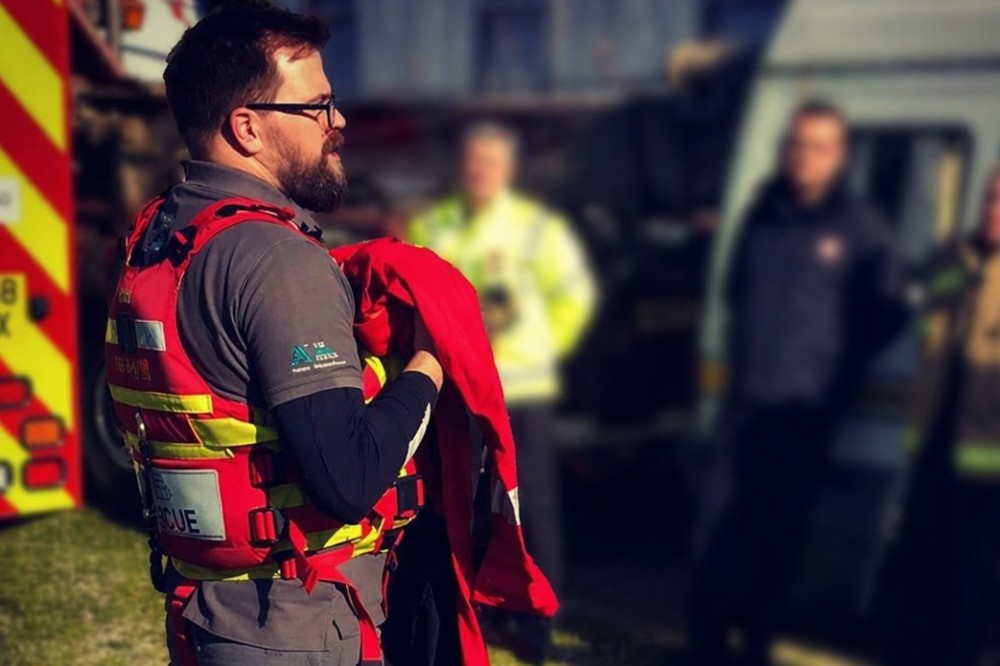
Applied Resilience delivered the DEFRA-compliant Mod 1: Water and Flood Awareness Course to officers at Tandridge District Council, supporting staff who may be required to work in and around water.
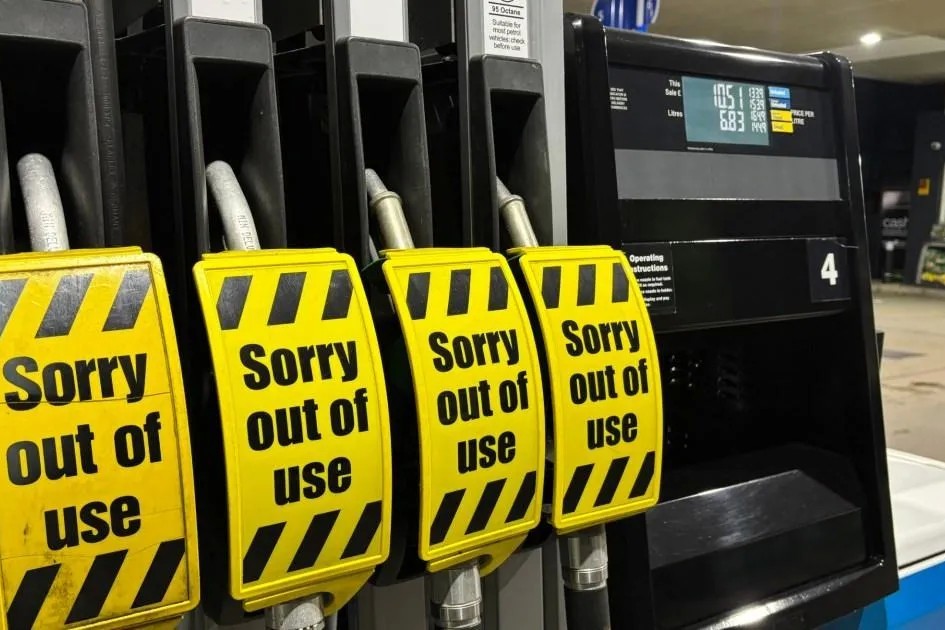
Across the UK, small, quiet behaviours are signalling something larger—fuel tanks filled earlier, cupboards stocked fuller, conversations edged with uncertainty about global instability.

The implications of the current Middle East situation for UK resilience are beginning to crystallise—and not in ways that lend themselves to a quick recovery.

Another piece of guidance has been released by government - ORGANISATIONAL RESILIENCE GUIDANCE FOR UK GOVERNMENT DEPARTMENTS, AGENCIES AND ARM’S LENGTH BODIES. Is it useful, or too high level?
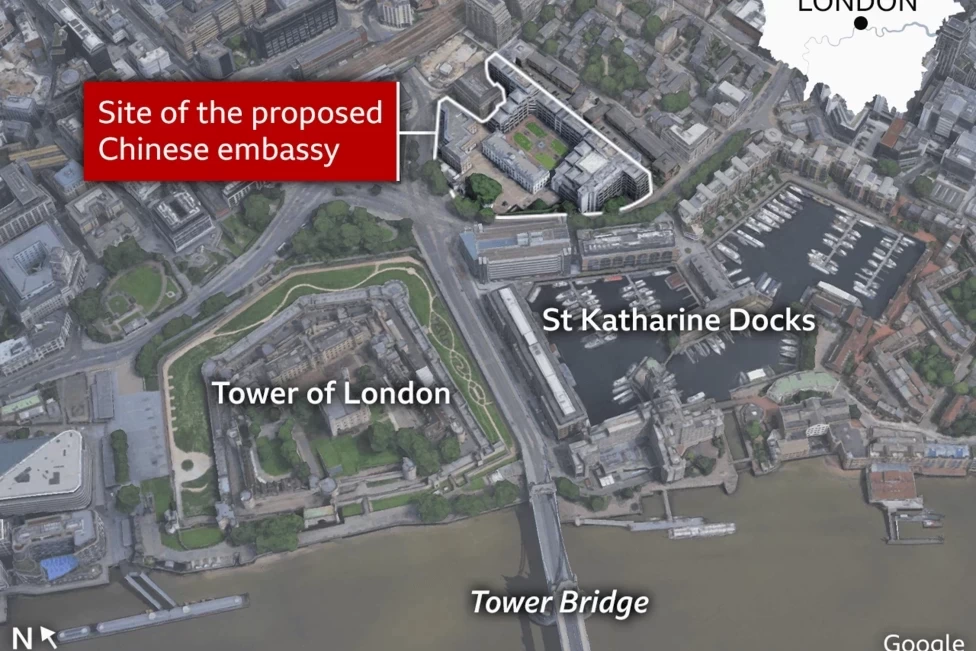
In the intricate world of resilience planning, we pride ourselves on expecting the unexpected — but every so often, something comes along that still raises a few eyebrows.

Resilience is now central to national security – but it starts locally and affects us all.
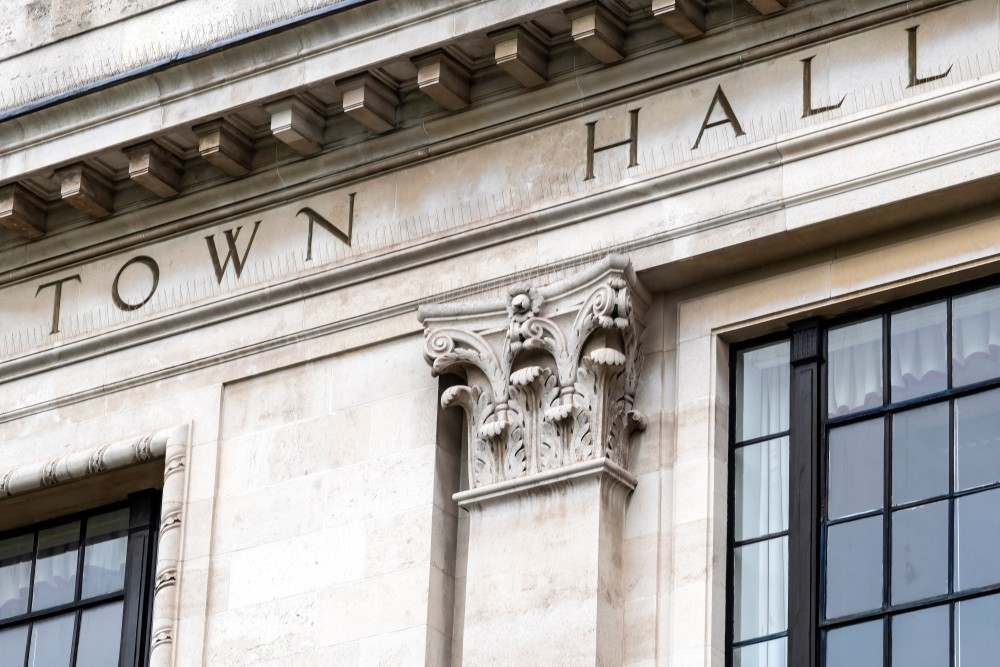
As local government reorganisation accelerates across parts of the UK, one vital question often gets sidelined: what happens to emergency planning and business continuity during the transition?

We’ve all seen the headlines — M&S, Harrods, Co-op. Big brands, hit hard. And if it can happen to them, it can happen to any of us.

navigating crises, ensuring continuity.